
Uninterruptible Power Supply

What Is an Uninterruptible Power Supply (UPS)?
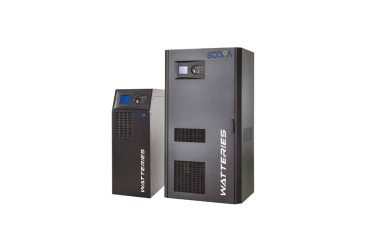
An Uninterruptible Power Supply (UPS) is a device that provides continuous and regulated power to connected equipment during power outages or fluctuations. A UPS is used to ensure that critical systems continue operating without interruption and to protect devices from damage when there are power failures or surges.
How Does It Work?
UPS systems typically consist of the following components:
- 1- Input Power Source:
- 2- Battery:
- 3- Output Power Source:
- 4- Battery Management System:
Under normal conditions, the UPS uses mains electricity, supplying it to connected devices and charging its internal batteries.
In the event of a power outage, the UPS quickly switches to battery power, providing energy to connected devices from the battery. This transition usually occurs within milliseconds, ensuring uninterrupted operation.
The UPS supplies continuous power from the battery to connected devices. When the battery starts to deplete, it typically gives a warning to allow the safe shutdown of connected equipment.
This system monitors the health and charge status of the batteries, recharging or replacing them as needed.

Where Is It Used?
UPS systems are used in various settings where power outages or fluctuations are unacceptable:
• Computers and Data Centers: Used to ensure the uninterrupted operation of servers, network devices, and data storage systems.
• Healthcare: Employed in hospitals, particularly for surgical equipment, intensive care units, and other critical devices.
• Telecommunications: Used to ensure the continuous operation of telephone exchanges and other communication devices.
• Industrial Applications: Used in production lines, automation systems, and other critical manufacturing processes.
• Home and Office Use: Used to protect computers, security systems, and important home appliances.
UPS systems are essential for safeguarding connected devices and systems, making them critical in many industries.
