
Data Center Solutions
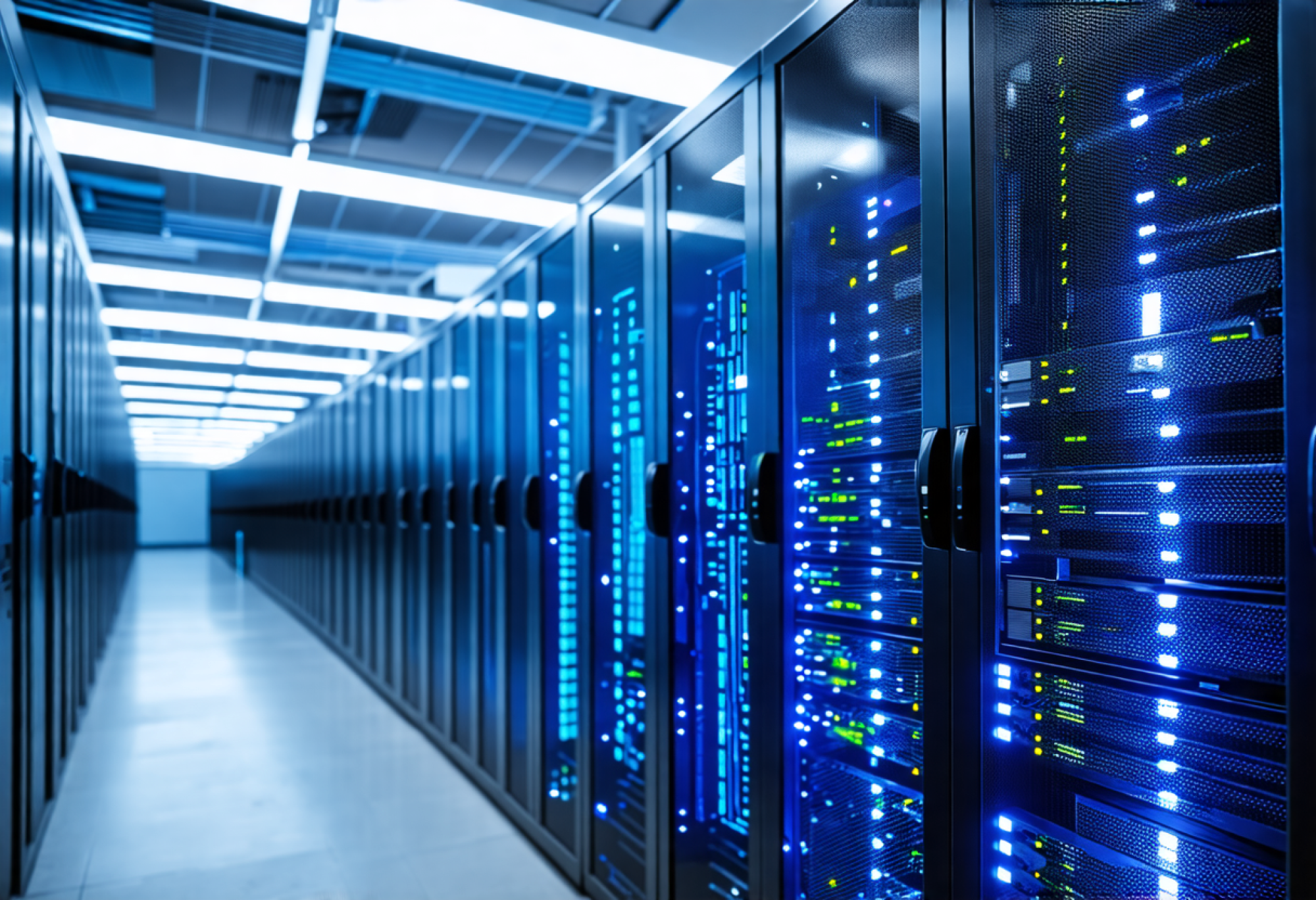
Our services for data centers
Data centers operate with an Uninterruptible Power Supply (UPS) to ensure that critical servers and equipment are not affected by power outages. Therefore, selecting the right battery is crucial for data centers. Here are some key factors to consider when choosing batteries for data centers.
1- Battery Type Selection
Data centers typically use lead-acid batteries (VRLA) and lithium-ion batteries. Both types have their own advantages and disadvantages:
- - These are widely used and relatively affordable.
- - They are maintenance-free (valve-regulated) and provide reliable performance.
- - The downside is that they have a shorter lifespan (typically 3-5 years) and require more space.
Lead-Acid Batteries (VRLA):
- - They have a longer lifespan (8-15 years) and higher energy density, meaning they take up less space.
- - They require less maintenance and charge faster.
- - Their initial cost is higher, but they can be more economical in the long run.
Lithium-Ion Batteries:
2- Capacity and Power Requirements
The battery must be able to meet the energy needs of the data center. When calculating capacity, consider the following factors:
- Power Requirement (Watts or kVA): Calculate the total energy consumption of the data center to determine the load that the UPS system will support.
- Backup Time: Determine how long the batteries will need to supply power during an outage. This duration can range from a few minutes to several hours. Battery capacity should be calculated based on this required backup time.
3- Environmental Conditions
Battery performance is influenced by environmental conditions. Therefore, the data center environment and battery room conditions must be considered:
- Temperature Control: The optimal operating temperature for batteries is typically between 20-25°C (68-77°F). Higher temperatures can shorten battery life, so it is important to ensure proper cooling.
- Humidity Control: Humidity can increase the risk of corrosion, especially for lead-acid batteries. Proper humidity control is necessary.
4- Maintenance and Management Ease
Maintenance requirements and management ease are important criteria during the selection process:
- Maintenance Requirements: Lithium-ion batteries require less maintenance compared to lead-acid batteries, saving labor and time in the long term.
- Management and Monitoring Systems: The health and performance of batteries should be continuously monitored. Batteries used in data centers should be constantly tracked through monitoring systems.
5- Total Cost of Ownership (TCO)
Battery selection should not be based solely on the initial purchase cost. The Total Cost of Ownership (TCO) should be considered:
- Lifetime Cost: Although lithium-ion batteries are more expensive upfront, their longer lifespan and lower maintenance costs can result in a lower TCO.
- Energy Efficiency: Lithium-ion batteries are more efficient, leading to energy savings in the long run.
6- Safety and Certifications
Batteries used in critical environments like data centers must meet safety standards:
- Safety Certifications: The selected batteries should comply with international safety standards. Certifications like UL, CE, and IEC are important for safety.
- Fire Safety: Ensure compliance with fire safety standards, especially for lithium-ion batteries.
7- Redundancy
Implementing redundancy in battery systems increases the reliability of uninterruptible power supply in data centers. Systems like N+1 redundancy, where the battery capacity is supported by an extra unit, are recommended. This ensures that if one battery fails, the system continues to operate without interruption.
8- Battery Monitoring and Management Software
Advanced software solutions can be used to continuously monitor the performance and condition of batteries. These systems track parameters such as voltage, temperature, and charge status, helping to detect potential failures in advance.
Conclusion:
Battery selection for data centers should be done carefully to ensure the continuity of critical systems. Factors such as required energy capacity, environmental conditions, battery type and total cost should be taken into consideration, and reliable and long-lasting solutions should be preferred. As Watteries, we provide service throughout the entire process.
-
Sales
-
Project planning
-
Service
-
Maintenance
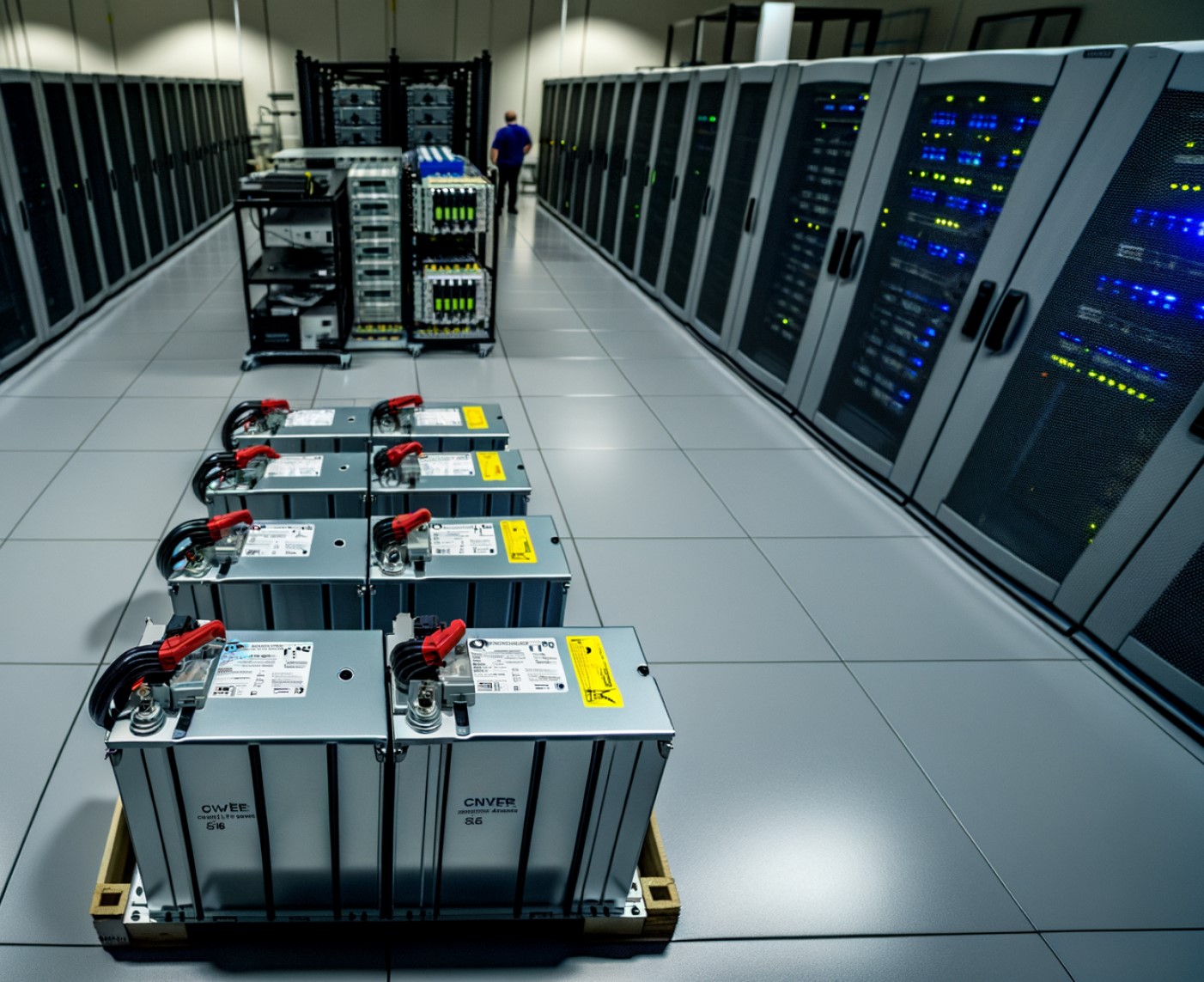
Frequently Asked Questions
What services do you provide for the data center?
We provide infrastructure operations, panels, UPS and battery services for data centers.
Do you provide UPS maintenance services for data centers?
As Watteries, we provide UPS maintenance and service in Data Centers.
Do you have battery service for Data Centers?
As Watteries, we provide battery service for devices located in Data Centers.
